


Tibet Packages
Tibet Introduction
A brief description on Tibet
Often referred to as the ‘Roof of the world’’ is an autonomous region located in the hear of Asia. Situated on the Tibetan Plateau, it is surrounded by towering mountain ranges, including the Himalayas. Tibet is known for its unique culture, ancient Buddhist traditions, and awe-inspring landscapes.
Buddhism plays a central role in Tibetan society and monasteries such as the Potala Palaces in Lhasa are iconic symbols of the Tibetan Buddhism. The Dalai Lama, the spiritual leader of Tibetan Buddhism, has been influential figure in the region.
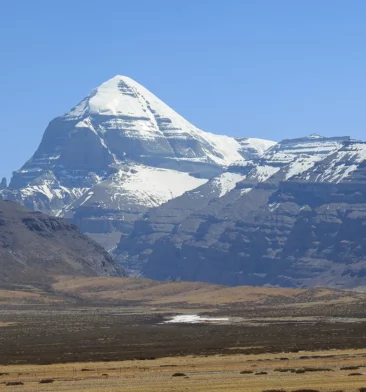
Tibet’s geography is characterize by vast grasslands, snow-capped peak and sacred lakes. Mt. Everest, the highest peak in the world, lies on the border between Tibet and Nepal.
Peoples call it “The Lost Shangri-La” or, “The Land of the Snowy Mountains” or even “ The Roof of the Worlds.”
Tibet has tumultuous history, marked by periods of independence and political integration with China. The Chines government currently exercise control over Tibet.
Tibet remains a place of fascination and spiritual significance, offering a glimpse into a distinct culture, breathtaking natural beauty and complex socio-political history.